Your phone’s built-in camera is probably already excellent for everyday photos. But third-party camera and photography apps can give you things the stock app may not: more manual control, RAW workflows, specialized editing tools, creative presets, or better planning for difficult shots.
Below are 10 of the best photography apps for Android and iPhone, organized by what each one does best.
For most people, Lightroom is a strong all-around option because it combines capture and editing tools. Snapseed stands out if you mainly want a free editor, while Open Camera is better suited to Android users looking for manual camera controls.
ALT TEXT (once real image is inserted): “Camera and photography apps running on Android and iPhone.” [EDITORIAL NOTE — remove before publishing: this is a generated placeholder graphic, not a real photo. Replace with an actual photo or screenshot collage before this goes live.]
| App | Best for | Android? | iPhone? | Free? |
| Lightroom | Shooting + editing | Yes | Yes | Free tier |
| Snapseed | Free editing | Yes | Yes | Yes |
| Open Camera | Manual photography | Yes | No | Yes |
| Halide Mark III | Advanced iPhone photography | No | Yes | No |
| ProShot | Manual controls | Yes | Yes | No |
| VSCO | Presets | Yes | Yes | Free tier |
| Photomator | Apple photo editing | No | Yes | Free download/paid features |
| Picsart | Creative/AI editing | Yes | Yes | Free tier |
| Blackmagic Camera | Video | Yes | Yes | Yes |
| PhotoPills | Photo planning | Yes | Yes | No |
1. Adobe Lightroom — Best All-in-One Photography App
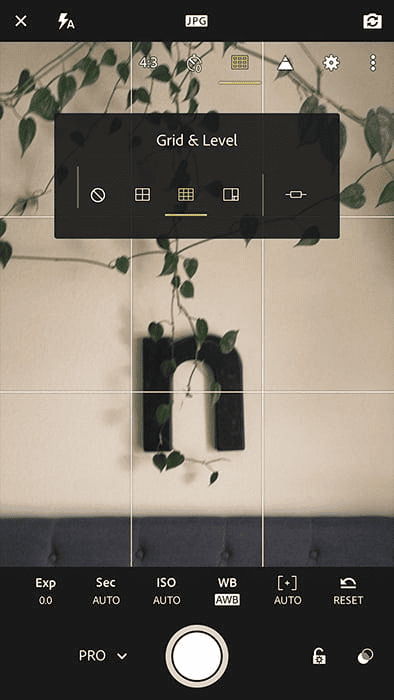
Lightroom Mobile is free to download on iOS and Android, with core editing tools available free. A Premium subscription unlocks features like Masking, Lens Blur, and Generative Remove. Cross-device access and syncing depend on your Adobe subscription, so check Adobe’s current plans before subscribing.
Skip it if: you want a completely subscription-free workflow and don’t need Lightroom’s more advanced editing or cloud features.
2. Snapseed — Best Free Photo Editor
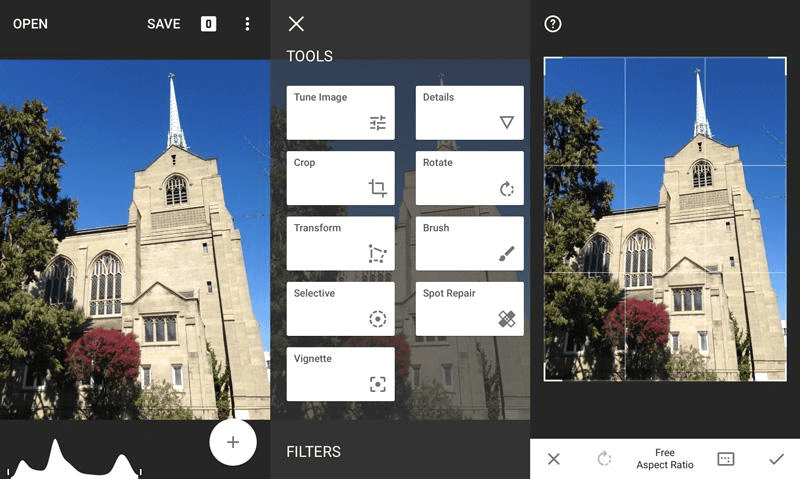
Snapseed is free and offers a broad set of editing tools, including RAW development, selective adjustments, healing, curves, perspective correction, and filters. It’s available on iOS and Android, and Google’s own Snapseed Help documentation details each tool.
Skip it if: you specifically want built-in shooting controls — Snapseed is an editor, not a camera replacement.
3. Open Camera — Best Free Android Camera App
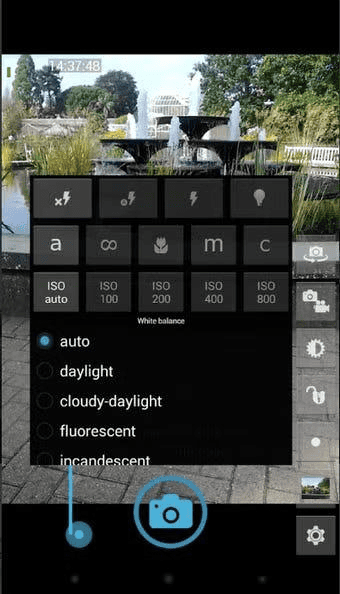
Open Camera is free, open-source, and gives Android users manual exposure, focus, and white balance controls. Some advanced features — RAW capture, focus peaking, histogram — depend on your phone’s hardware and Camera2 API support, so not every control is available on every device.
Skip it if: your phone exposes limited Camera2 features, since some of Open Camera’s advanced controls may not be available on every Android device.
4. Halide Mark III — Best Advanced iPhone Camera App
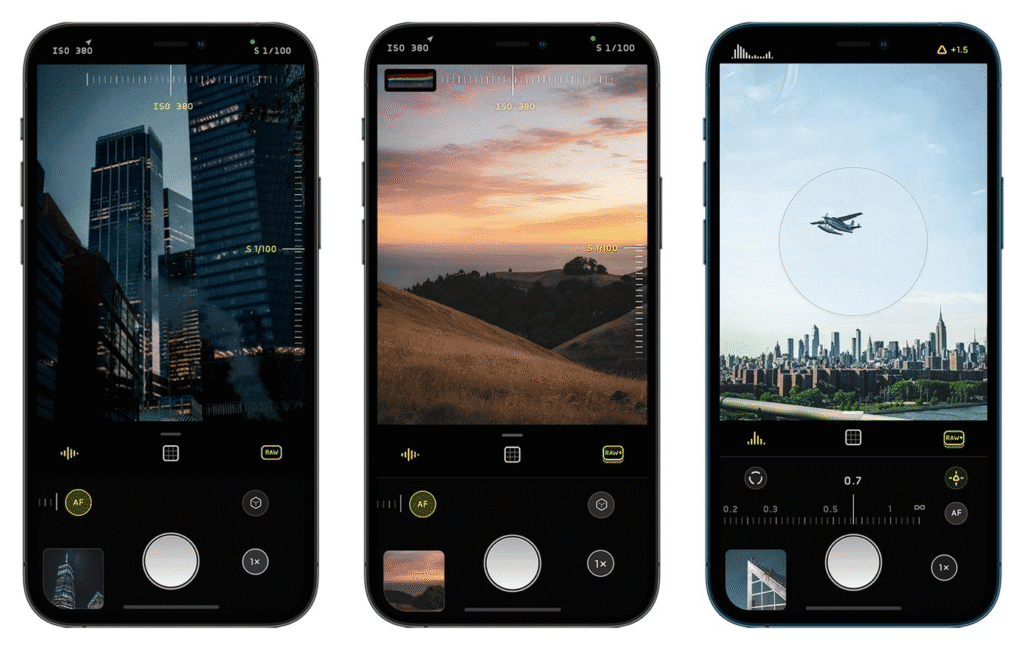
Halide Mark III brings manual capture controls, a built-in Photo Lab for editing RAW files after the shot, and a set of film-inspired “Looks” developed with a professional colorist. Full details are on Lux’s official Halide Mark III page. It’s iPhone-only and aimed at people who want more say over how a photo is processed.
Skip it if: you just want automatic snapshots — this app is built for deliberate, hands-on shooting.
5. ProShot — Best Cross-Platform Manual Camera
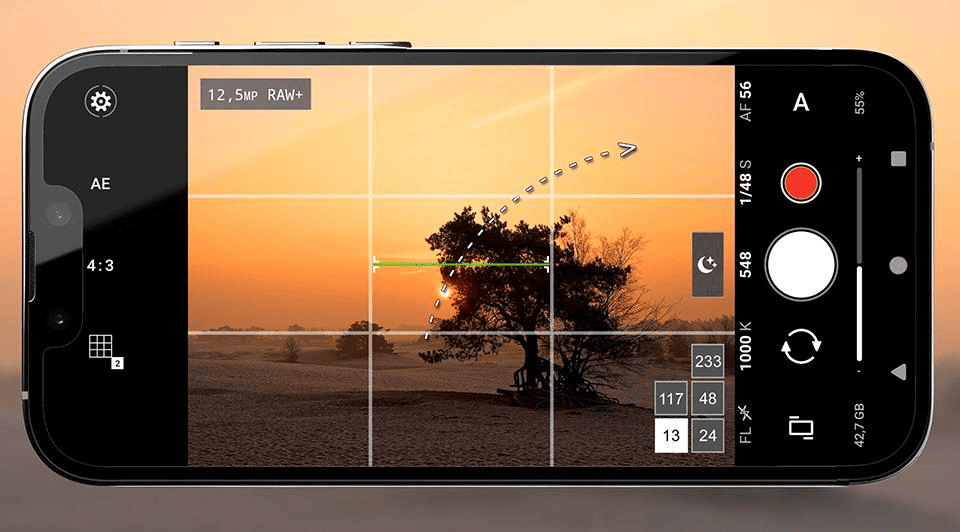
ProShot uses a one-time paid model rather than a subscription, with Auto, Program, Manual, and custom modes, RAW capture, and video tools on both iOS and Android. Check the App Store or Google Play listing for current pricing in your region.
Skip it if: you’re not ready to pay for manual camera controls — Android users can try Open Camera first to see whether a more advanced camera app suits them.
6. VSCO — Best for Film-Inspired Presets
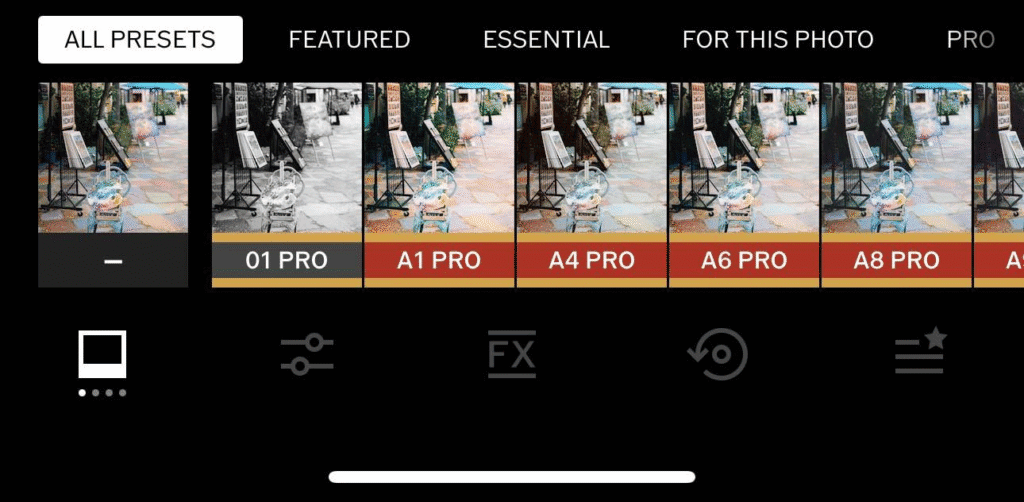
VSCO is best known for its Film X presets, modeled on analog film stocks, making it a good fit if you want a consistent look across your photos without manually rebuilding the same edit every time. See VSCO’s official pricing for current plan details.
Skip it if: you’d rather adjust every setting manually than start from a preset.
7. Photomator — Best Apple-Focused Photo Editor
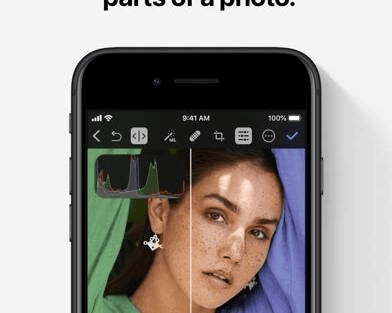
Photomator is free to download, with subscription and lifetime-purchase options available through Apple’s official App Store listing. It supports more than 750 RAW formats, including Apple ProRAW, and includes AI-assisted selections, object repair, denoising, and other editing tools.
Skip it if: you’re on Android — Photomator is Apple-only.
8. Picsart — Best for Creative and AI Editing
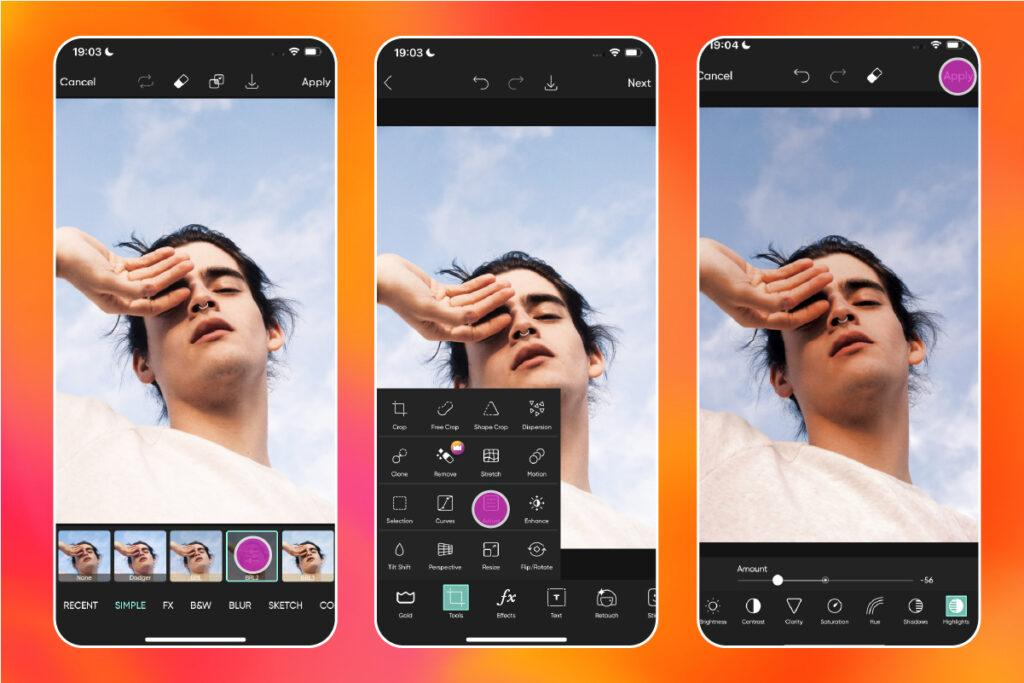
Picsart’s free tier covers background removal, collage tools, and basic AI features with some limits. Paid tiers increase access to AI tools, premium templates, stock assets, and monthly AI credits — see Picsart’s pricing page for current allowances.
Skip it if: you expect every AI tool to be unlimited — many generative features use credits, although allowances and limits vary by plan and tool.
9. Blackmagic Camera — Best Mobile Video Camera
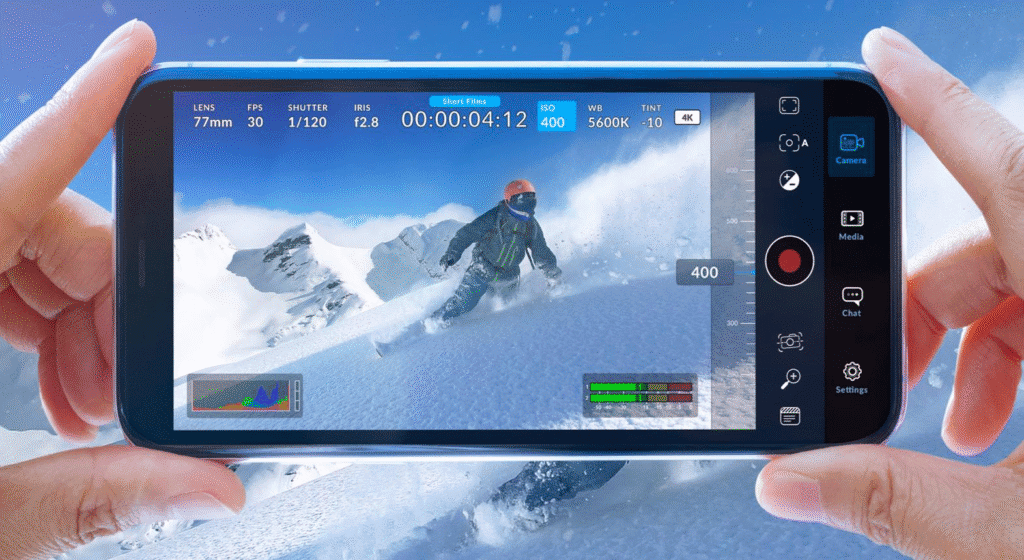
Free on both iOS and Android, Blackmagic Camera brings cinema-style manual controls (shutter angle, ISO, white balance) and monitoring tools like focus peaking and a histogram to phone video.
Skip it if: you only shoot stills — this app is built around video.
10. PhotoPills — Best Photography Planning App
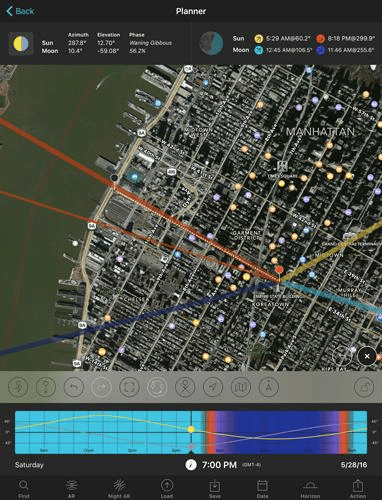
PhotoPills helps you plan where the sun, moon, or Milky Way will be at a given time and location, on both iOS and Android — see PhotoPills’ official website for details. It’s a paid app — check current pricing before buying.
Skip it if: you shoot mostly indoors or don’t plan shots around light and location.
How to Choose the Best Camera App for Your Phone
Capture or editing? Some apps replace your camera (Open Camera, Halide, ProShot, Blackmagic Camera), others improve photos after the fact (Snapseed, VSCO, Photomator, Picsart), and Lightroom does both. Start by figuring out which side of that line your problem is on.
Do you actually need RAW or manual controls? RAW gives you more flexibility when editing, while manual controls let you make deliberate choices about settings such as shutter speed, ISO, focus, and white balance. Both add complexity you may not need for quick, casual shots.
Does your phone support what the app promises? Manual controls and RAW capture on Android depend on what your specific phone exposes through the Camera2 API — a feature list on the app store doesn’t guarantee it’ll work on your device.
Is free enough? Snapseed and Open Camera cover a lot of ground at no cost. Only move to a paid app once you’ve hit a specific limit a free one can’t solve.
Frequently Asked Questions
Which app is best for taking photos?
There’s no single best choice for everyone. Lightroom combines mobile capture features with a powerful editing workflow, while Open Camera is a strong free option for manual control on Android; Halide is worth a look for iPhone users who want more say over processing.
What are the best Android camera apps?
Open Camera is a strong free choice for manual controls, while ProShot is a paid alternative with Auto, Program, Manual, and custom shooting modes.
Do I need more than one camera app?
Usually not. Most people are well served by one shooting app and one editing app, matched to what they actually shoot.
Final Thoughts
You don’t need all ten. Start with one app that solves a problem your current camera doesn’t — whether that’s manual control, RAW editing, better video tools, or planning a sunset shot. In many cases, learning one good app well will improve your results more than filling your phone with tools you rarely open.

Louis Mugan is a seasoned technology writer with a talent for turning complicated ideas into clear, practical guidance. He focuses on helping everyday readers stay confident in a world where tech moves fast. His style is approachable, steady, and built on real understanding.
He has spent years writing for platforms like EasyTechLife, where he covers gadgets, software, digital trends, and everyday tech solutions. His articles focus on clarity, real-world usefulness, and helping people understand how technology actually fits into their lives.
Outside of his regular columns, Louis explores emerging tools, reviews products, and experiments with new tech so his readers don’t have to. His steady, friendly approach has made him a reliable voice for anyone trying to keep up with modern technology. get in touch at louismugan@gmail.com