Android phone charging issues can surely be resolved through ten established methods that have proven effective in 2025. Moreover, these troubleshooting techniques address common hardware and software problems that prevent proper battery charging.
As per troubleshooting steps, check the power source, charger, cable, and charging port regarding Android phone charging issues. Try a different charger or certified one, clean the charging port carefully, and further restart your phone.
If your phone charges only in Airplane Mode, the same background apps or wireless connections are using power faster than charging can fill it back. When all other things are not working, we are seeing that the problem is only with the hardware parts, and you should go to an authorized service center for checking.
Why Your Android Phone May Suddenly Stop Charging
Your Android phone can actually stop charging suddenly due to various simple issues. This definitely happens when charging ports get dirty or cables become damaged.
Your phone actually not charging when you plug it in is definitely one of the most frustrating things that can happen. Charging problems in Android devices can surely occur at any time, whether you use your phone for work, travel, or entertainment. Moreover, these issues may arise from simple causes like damaged cables, dirty charging ports, or declining battery performance.
This 2025 guide shows ten tested ways to find and fix your charging problem before going for repairs only. We are seeing these solutions work for most users.
1. Check the Power Outlet or Source
Firstly, check if the power source is working properly before blaming your phone for the same issue. Plug another device into the same socket or try a different outlet, power bank, or USB port.
USB ports on laptops give limited power and charge slowly, so it is better to use a wall adapter or PD charger itself for faster charging. Further, this method provides more stable charging compared to laptop ports.
2. Check Your Charger and Cable
Basically, damaged or cheap cables are the same reason why your phone charges slowly or doesn’t charge at all. Use the same certified USB-C or Micro-USB cable and charger that your phone company recommends.
Also, check the plug and connectors for bending, rust, or color changes. Keep one extra good USB-C cable ready regarding quick problem checking.
3. Inspect and Clean the Charging Port
We are seeing that dust, lint, or water inside the charging port can only block the connection. Use a flashlight to see inside, then blow gently or use a soft brush to remove dirt further.
Avoid using metal objects like pins or toothpicks as they can damage delicate pins. If rust, shaking, or water damage is visible, only go to a professional cleaning or service center.
4. Remove the Phone Cover
Thick rubber cases or waterproof covers can stop the charger from going in properly or make the phone heat up during charging. Remove the case and test the device again.
If charging starts working, use a case with a wider opening for the charging cable.
5. Close Background Apps
Heavy apps like games and social media consume more power than the charger provides, making the phone appear like it is not charging. Close all applications and lock the screen to allow your device to rest.
Avoid multitasking or gaming while charging to reduce heat and improve charging speed.
6. Clear Cached Files and Background Processes
Corrupted cache and faulty background processes surely create conflicts in software systems. To clear unnecessary files, go to Settings → Storage → Cached Data or use Device Care and Battery Optimization tools.
On newer Android versions, use the system optimization feature since the single “Clear Cache” button may not appear.
7. Restart or Boot in Safe Mode
Restarting resolves temporary system issues that affect charging. Hold the Power button and tap Restart.
If the issue continues, boot into Safe Mode by long-pressing Power Off and selecting “Safe Mode.” If your phone charges fine in Safe Mode, uninstall newly installed apps.
8. Try Charging in Airplane Mode or While Powered Off
Bluetooth, Wi-Fi, and GPS drain power and slow charging. Switch to Airplane Mode or turn the phone off to check if these radios are causing the issue.
If charging is faster in Airplane Mode, one of these background services is the problem.
9. Check Battery Health and Temperature
Over time, batteries lose capacity and may heat excessively. Check your battery condition in Settings → Battery → Battery Health (if available) or use apps like AccuBattery for estimates.
If your phone gets too hot, becomes swollen, or charges very slowly, the battery needs the same replacement.
10. Seek Professional Repair Help
However, if nothing works, the problem is the same as faulty hardware – damaged charging parts, loose connectors, or an aged battery.
Visit an authorized service center for reliable repairs. If repair costs too much, buying a new phone is the same logical step when the gadget is over three years old.
Common Causes and Quick Fixes
| Problem | Reason | Quick Fix |
|---|---|---|
| Faulty cable/charger | Damaged or non-certified accessories | Replace with OEM or certified ones |
| Blocked port | Dust, lint, or moisture | Clean gently with air or soft brush |
| Software glitch | OS bugs or background apps | Restart or use Safe Mode |
| Overheating | Gaming or hot environment | Let phone cool down |
| Battery degradation | Aging cells | Replace at service center |
Pro Tips for Longer Battery Life
- Maintain charge between 20% and 80% instead of full cycles.
- Use only original or certified chargers.
- Keep your phone cool; avoid charging under pillows or direct sunlight.
- Update your Android system regularly for better power management.
Conclusion
Small repairs can surely resolve major charging issues effectively. Most Android charging problems come from basic causes like dusty ports, cheap cables, or minor software glitches.
If you follow the same ten solutions, your charging will work properly and you won’t need expensive repairs. If other methods do not work, contact a qualified technician to handle internal hardware safely.
Frequently Asked Questions (FAQ)
Q1. How can I know if my Android phone is charging?
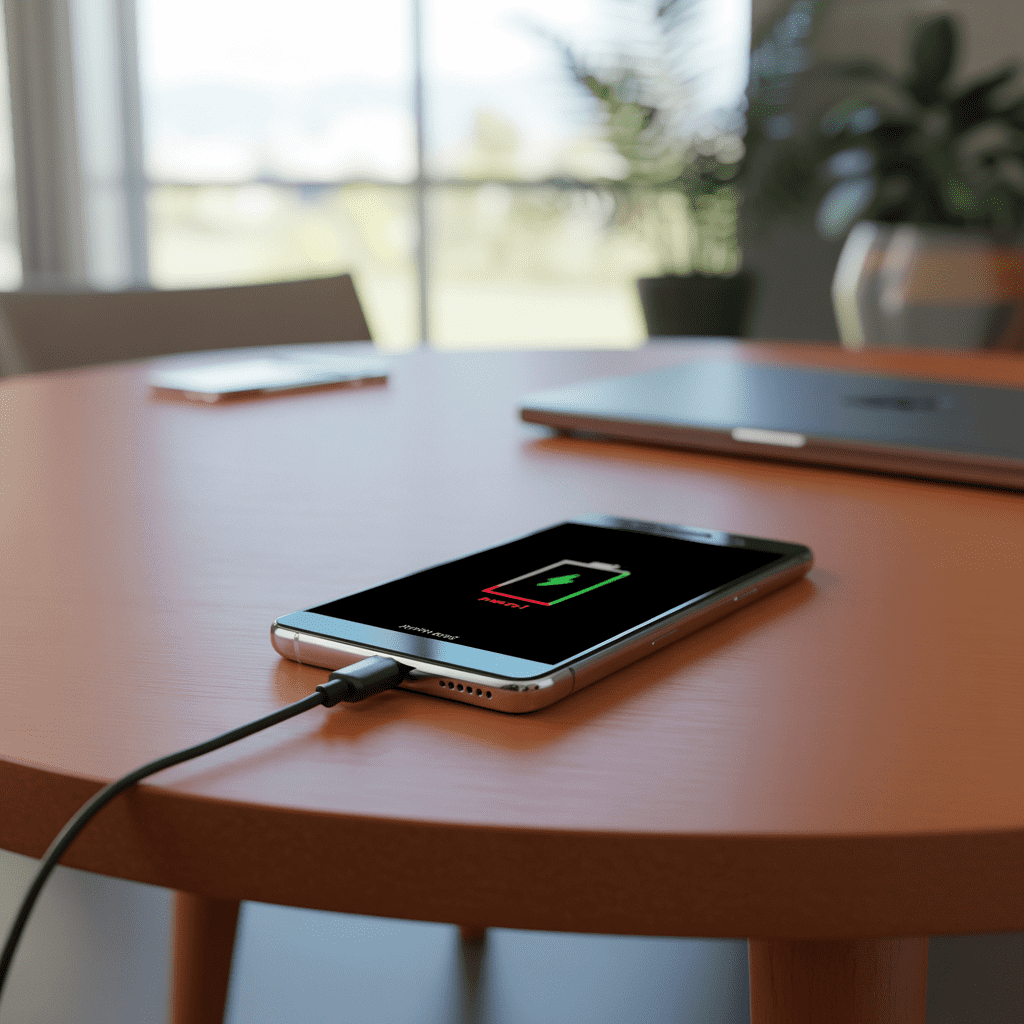
You can check by looking at the battery icon – it shows the same charging symbol or lightning bolt when connected. Listen for vibration or sound that indicates charging started. If not, test with another cable or charger.
Q2. Can a phone case affect charging?
Yes. Thick or waterproof cases block the same charging connection or cause heat buildup, especially with wireless charging.
Q3. What damages the charging port most often?
Dust, debris, and frequent cable bending. Keep the port clean, dry, and handle cables gently to prevent wear.
Q4. Is it okay to use my phone while charging?
Light use is surely fine, but heavy gaming or video streaming will heat the phone and slow charging.
Q5. When should I replace my Android battery?
That replacement is needed after 2/3 years when it drains fast, overheats, or takes too long to charge.

Louis Mugan is a seasoned technology writer with a talent for turning complicated ideas into clear, practical guidance. He focuses on helping everyday readers stay confident in a world where tech moves fast. His style is approachable, steady, and built on real understanding.
He has spent years writing for platforms like EasyTechLife, where he covers gadgets, software, digital trends, and everyday tech solutions. His articles focus on clarity, real-world usefulness, and helping people understand how technology actually fits into their lives.
Outside of his regular columns, Louis explores emerging tools, reviews products, and experiments with new tech so his readers don’t have to. His steady, friendly approach has made him a reliable voice for anyone trying to keep up with modern technology. get in touch at louismugan@gmail.com