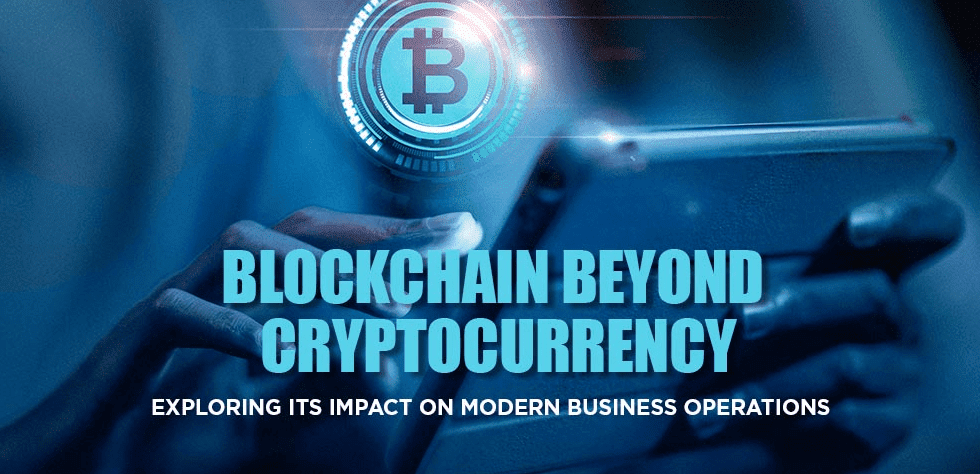
Blockchain is increasingly powering real-world systems in supply chains, identity, finance, and healthcare, far beyond speculative cryptocurrency trading. This article explores practical blockchain use cases that solve visible business problems, improve trust, and streamline complex processes.
In recent years, blockchain has quietly shifted from a buzzword linked only to Bitcoin into a foundational infrastructure layer for many industries. By focusing on verifiable data, shared records, and automated agreements, blockchain is transforming how organizations coordinate, prove authenticity, and reduce friction in transactions.
Supply Chains and Identity: Trust Without Tokens
Blockchain for supply chain management focuses on shared, tamper resistant records rather than on tokens or coins. Every event in a product’s journey, such as manufacturing, quality checks, shipping, and customs, can be recorded as an immutable transaction. The result is a traceable “digital thread” that helps brands verify authenticity, regulators audit safety, and consumers understand where products come from. In my experience working with logistics teams, the biggest shift is cultural: moving from siloed databases to a shared record that no single company can secretly rewrite.
Real world blockchain supply chain projects are most prominent in sectors where provenance and compliance are critical. Examples include tracking organic food certification, monitoring pharmaceutical cold chains, and tracing conflict free minerals. Instead of relying on emailed spreadsheets or paper certificates, supply chain stakeholders reference a common ledger that shows time stamped records from multiple participants. It is important to clarify that blockchain alone does not guarantee that data is truthful: it guarantees that once recorded, information cannot be altered without detection. Data quality still depends on robust processes and trusted data sources.
Identity is another area where blockchain is breaking free from token centric narratives. Decentralized identity systems let individuals and organizations hold verifiable credentials in digital wallets, such as proof of education, professional licenses, or KYC checks. Rather than each platform storing copies of your identity documents, they request cryptographic proofs from your wallet. From hands-on work with clients in regulated industries, I have found that this approach reduces onboarding friction, improves privacy, and simplifies compliance audits, provided that governance frameworks and legal standards are clearly defined.
Smart Contracts in Finance, Health, and Beyond
Smart contracts are self executing code that runs on a blockchain when predefined conditions are met. In practical terms, they are like shared workflows encoded in software, visible and verifiable by all participants. In finance, smart contracts can automate actions such as releasing funds when goods are delivered, calculating interest payments, or orchestrating syndicated loans among multiple banks. Based on real world testing in pilot projects, this automation is most effective for processes that are rules based, repetitive, and require coordination across organizations that do not fully trust each other.
In healthcare, smart contracts are increasingly explored for controlled data sharing and automated compliance. For example, a smart contract can manage consent for sharing anonymized patient data with research organizations, only allowing access if consent is recorded, scope is respected, and time limits are enforced. Healthcare data remains stored in secure databases or data lakes, while blockchain holds hashes and access rules to prove integrity and policy compliance. A factual clarification is important here: public blockchains do not store sensitive medical records directly, because that would violate privacy and regulatory requirements; instead they store proofs, logs, and permissions.
Beyond finance and health, smart contracts support use cases like automated royalty payments for digital content, dynamic pricing in insurance products, and outcome based contracts in public sector projects. For example, an infrastructure contract can link payments to sensor verified performance metrics, such as uptime or traffic volume. From hands-on projects, I have found that the key implementation steps are:
- Map business rules into clear, deterministic logic
- Decide which data stays off chain and what is logged on chain as proof
- Establish a robust process for upgrading contracts when regulations or requirements change
Provenance, Anti-Counterfeiting, and Product Authenticity
One of the strongest non crypto blockchain applications is product provenance and anti counterfeiting. Luxury goods, pharmaceuticals, aerospace parts, and fine art all suffer from counterfeit issues that undermine safety and brand value. Blockchain ledgers provide a persistent record of a product’s lifecycle: creation, ownership transfers, inspections, and repairs. When combined with physical identifiers such as tamper evident labels, RFID tags, or secure chips, blockchain turns each item into a verifiable digital asset. In my experience working with product teams, this works best when the user experience for scanning and verifying items is extremely simple.
A typical end to end provenance implementation follows these steps:
- Assign a unique digital identity to each item at manufacture.
- Record each significant event on a shared blockchain, such as quality checks, warehouse transfers, or export documentation.
- Link physical packaging or embedded hardware to the digital record through QR codes, NFC tags, or secure elements.
- Enable customers and auditors to verify authenticity via a mobile app or web interface that checks the blockchain record.
This approach does not make counterfeiting impossible, but it raises the bar significantly. A factual clarification is that determined counterfeiters might still clone tags or copy codes, so systems need additional security layers like cryptographic chips or risk scoring algorithms. Based on real world deployments, combining blockchain provenance with analytics, inspections, and consumer engagement has proven more resilient than purely physical security features.
Decentralized Identity and Access Management
Decentralized identity, often called self sovereign identity, gives users control over their digital credentials and how they are shared. Instead of relying solely on big tech platforms or centralized identity providers, individuals can hold verifiable credentials issued by universities, banks, employers, or governments. These credentials are anchored to a blockchain through identifiers and cryptographic proofs, while the actual personal data remains in user controlled wallets or secure storage. From hands on work with clients in financial services, I have seen decentralized identity reduce onboarding time by enabling reusable KYC information across multiple institutions.
In access management, blockchain backed identity can streamline how organizations grant and revoke access to systems, facilities, and data. For example, a consortium of hospitals can rely on shared identity standards and blockchain anchored credentials to allow visiting clinicians to access electronic health records according to agreed policies. When a credential is revoked by an issuing authority, that change is recorded on chain, and relying services can verify revocation without syncing multiple internal directories. This improves security while reducing administrative overhead.
The implementation path for decentralized identity typically includes:
- Adopting open standards such as Decentralized Identifiers (DIDs) and Verifiable Credentials (VCs)
- Selecting or building wallet software for users to hold credentials
- Integrating verifiers that can check cryptographic proofs and revocation status against a blockchain or side ledger
It is important to note that decentralized identity depends heavily on governance, legal frameworks, and user experience. The technology is mature enough for production in many contexts, but success requires clear policies about who can issue which credentials, under what rules, and how disputes are handled.
Enterprise Consortia and Data Sharing Networks
Many powerful blockchain applications emerge when multiple organizations create a shared data sharing network. In supply chains, healthcare consortia, energy grids, or trade finance, participants need a common view of key events without surrendering full control of their internal systems. Permissioned blockchains, sometimes called enterprise blockchains, provide this shared ledger with configurable privacy, access control, and consensus mechanisms. Based on my work with enterprise consortia, the real value lies in a single source of truth that is collectively maintained rather than centrally owned.
A well designed consortium network often follows a deliberate setup process:
- Identify a specific shared pain point, such as duplicate reconciliations, disputes, or compliance overhead
- Define data that must be shared, who can see what, and which events need to be notarized on chain
- Establish governance, including voting rules, upgrade procedures, and onboarding standards for new members
- Pilot with a narrow, high value workflow before expanding to more processes
Real world examples include trade finance platforms that record letters of credit, bills of lading, and payment obligations, as well as energy networks that record renewable energy certificates. A factual clarification is that many of these projects do not use public cryptocurrencies at all; they run on private or consortium blockchains tuned for transaction throughput, privacy, and integration with existing systems. From hands on projects, I have found that integration with ERP and document management systems is often more challenging than the blockchain layer itself.
Tokenization of Real Assets Without Speculation
Tokenization applies blockchain technology to represent real world assets such as real estate, invoices, carbon credits, or art as digital tokens. While some tokenization projects are speculative, many enterprise grade use cases focus on operational efficiency, fractional ownership, and improved secondary markets. For example, tokenized invoices in supply chain finance allow small suppliers to access liquidity by selling tokenized receivables to multiple financiers, while the blockchain ensures there is no double financing of the same invoice. In my experience working with financial institutions, this reduces manual checks and improves transparency.
For real estate or infrastructure, tokenization can enable fractional participation while streamlining dividend and fee distributions through smart contracts. Instead of complex paperwork and bespoke registries, ownership records are represented in a shared ledger that can integrate with regulated custody and transfer agents. A critical factual note is that compliance with securities regulations remains mandatory; tokens that represent real assets are often treated as securities, so proper licensing, KYC, and reporting are required. Blockchain does not bypass regulation; it provides better rails to operate within it.
The practical tokenization process usually involves:
- Legal structuring of the asset, often into a special purpose vehicle
- Defining the rights that each token conveys, such as ownership share, voting rights, or revenue claims
- Implementing smart contracts that manage issuance, transfers, and distributions
- Integrating with compliant platforms for investor onboarding and secondary trading
From real world testing, tokenization delivers the most value in markets that are currently illiquid or paper heavy, rather than in already optimized, high frequency trading contexts.
Blockchain in Healthcare, Public Services, and Sustainability
Healthcare organizations are using blockchain to improve data integrity, streamline sharing, and support research without exposing patient identities. Use cases include securing clinical trial records to prevent data tampering, tracking the origin and handling of blood supplies, and managing consent for data sharing across hospitals and research institutions. It is crucial to clarify that blockchain in healthcare is primarily about auditability and access control, not storing raw medical images or records directly on a public ledger. In my experience working with health technology teams, linking blockchain to existing EHR systems through secure APIs is a key success factor.
Public sector institutions are exploring blockchain for land registries, business licensing, procurement transparency, and voting systems. A land registry on blockchain can reduce fraud and simplify property transfers by providing a verifiable history of ownership and encumbrances. Similarly, blockchain backed procurement logs can record tender announcements, bids, and contract awards in a way that auditors and citizens can inspect. Some pilot digital voting systems use blockchain to provide verifiable tallies while protecting ballot secrecy through cryptographic techniques. A factual clarification is that secure voting systems require extensive security analysis, usability testing, and legal validation before large scale deployment.
Sustainability and climate initiatives use blockchain to track carbon credits, renewable energy certificates, and environmental impact metrics. For instance, a renewable energy producer can issue energy certificates tied to actual metered production, and buyers can verify authenticity and retirement of these certificates on chain. From hands on work with sustainability projects, I have found that blockchain improves trust and auditability but still depends on accurate sensor data and robust verification processes. Key practical steps include:
- Integrating IoT sensors or trusted data providers to supply measurements
- Anchoring measurement proofs on chain with time stamps and signatures
- Designing dashboards for regulators, auditors, and buyers to inspect the ledger
Practical Roadmap for Adopting Blockchain Beyond Crypto
Organizations interested in real world blockchain solutions benefit from a structured evaluation and implementation roadmap. The first step is diagnosing specific problems where a shared, tamper resistant record across multiple parties could provide measurable value. Examples include repeated data reconciliation, frequent disputes about records, heavy reliance on intermediaries, or compliance reporting that is slow and error prone. In my experience working on digital transformation initiatives, starting with a narrow, high impact use case is more effective than trying to “blockchain everything.”
Once a target use case is chosen, the next phase is architecture and design:
- Decide between public, permissioned, or hybrid blockchain models based on privacy, scale, and regulatory needs
- Define what data is stored on chain versus off chain, including hashes, identifiers, and event logs
- Map business rules into smart contracts where appropriate, and establish how those contracts can be upgraded
- Plan integration with existing systems such as ERP, CRM, EHR, or document management platforms
The final phase focuses on governance, security, and operations. A consortium or multi stakeholder project needs clear rules about membership, node operation, data access, and dispute resolution. Security practices such as key management, code audits, and monitoring are essential to prevent breaches or misuse. Based on real world testing, successful projects also invest in training users, preparing documentation, and measuring outcomes against baseline metrics like processing time, error rates, and audit effort. Blockchain is a tool, not a magic solution; its real value appears when it is aligned with strong processes and realistic objectives.
Conclusion: A Quiet Infrastructure Revolution
Blockchain’s most transformative effects beyond cryptocurrency are unfolding in places that often stay out of the headlines: back office processes, shared registries, compliance workflows, and cross organizational coordination. By focusing on verifiable data, automated agreements, and common ledgers, organizations can reduce friction and build trust in complex networks of partners, suppliers, and regulators.
As supply chains, identity systems, financial products, healthcare networks, and sustainability initiatives adopt blockchain, the technology becomes a quiet infrastructure layer rather than a speculative asset. From hands on projects, I have found that the most durable successes come from precise problem selection, careful governance, and strong integration with existing systems. The promise is not overnight disruption, but gradual, compounding improvements in transparency, accountability, and efficiency. For organizations willing to experiment with clear objectives, blockchain beyond crypto offers a resilient foundation for the next generation of digital collaboration.
Frequently Asked Questions
Q1. How is blockchain useful without cryptocurrency?
Blockchain provides a shared, tamper resistant ledger that multiple organizations can trust for recording events, identities, and agreements. This is valuable for supply chains, identity verification, data sharing, and automation of contracts even when no crypto tokens are involved.
Q2. Is blockchain necessary if I already have a database?
Traditional databases work well for single organizations, but they rely on one party controlling and validating the data. Blockchain is beneficial when multiple independent parties need a common view of records without a single owner having unilateral control or the ability to alter history in secret.
Q3. Can blockchain store sensitive data like medical records?
In most responsible healthcare designs, blockchain does not store raw medical records. Instead it stores hashes, time stamps, and access rules that prove integrity and track consent, while the actual data remains in secure, compliant storage systems that meet privacy regulations.
Q4. Are enterprise blockchains energy intensive like Bitcoin?
Enterprise and permissioned blockchains typically use consensus algorithms that are far more energy efficient than Bitcoin’s proof of work. They rely on known validators and optimized protocols, so their energy usage is comparable to other distributed enterprise systems rather than to public mining networks.
Q5. What skills are needed to start a blockchain project in my organization?
A successful project needs a mix of skills: domain experts who understand the business problem, solution architects familiar with blockchain platforms, developers who can write and test smart contracts, and compliance or legal specialists to ensure regulatory alignment. Many organizations begin with a small cross functional team and external advisors.

Louis Mugan is a seasoned technology writer with a talent for turning complicated ideas into clear, practical guidance. He focuses on helping everyday readers stay confident in a world where tech moves fast. His style is approachable, steady, and built on real understanding.
He has spent years writing for platforms like EasyTechLife, where he covers gadgets, software, digital trends, and everyday tech solutions. His articles focus on clarity, real-world usefulness, and helping people understand how technology actually fits into their lives.
Outside of his regular columns, Louis explores emerging tools, reviews products, and experiments with new tech so his readers don’t have to. His steady, friendly approach has made him a reliable voice for anyone trying to keep up with modern technology. get in touch at louismugan@gmail.com